Location
- Native Range: the species is originally native to East Asia.
- European Distribution: first introduced to the Soviet Union in 1928, the current range has spread to include Russia, Ukraine, Latvia, Finland, Estonia, Lithuania, Serbia, France, Romania, Italy, Switzerland, Germany, Norway, Denmark, and Sweden.
- Habitat Adaptability: raccoon Dogs have successfully adapted to almost all geographic environments, with the exception of high mountain ranges.
Description
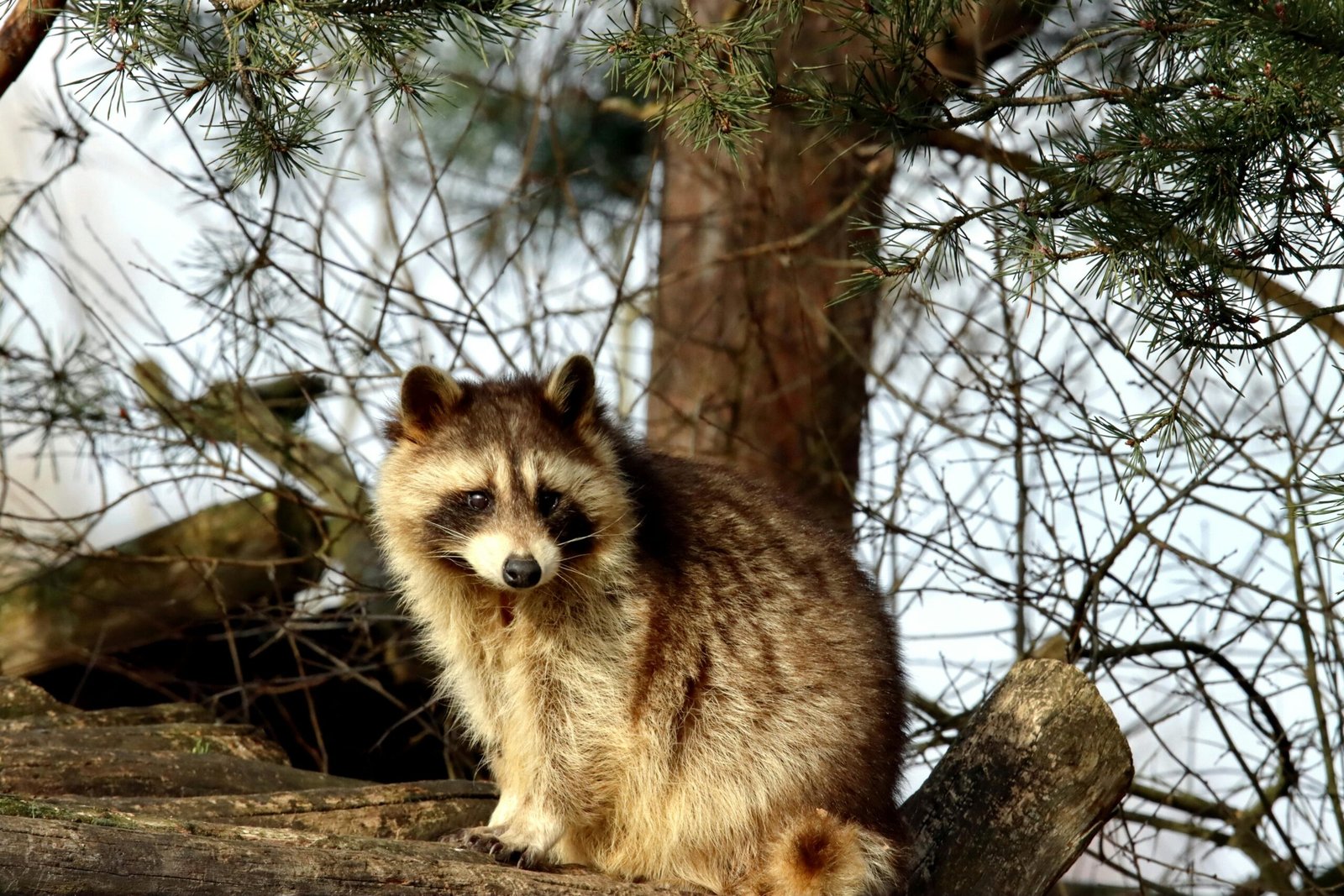
- Physical Build: this species features a long torso with short legs and a short tail that measures less than one-third of its total body length. It was named for its physical resemblance to the raccoon, though the two are not closely related.
- Size and Weight: body weight fluctuates significantly by season; individuals may weigh as little as 3 kg (6 lbs) in March and increase to an average of 6.5–7 kg (14–15 lbs) by late summer.
- Coat and Features: the ears are short and barely protrude from the fur. The winter coat is notably long and thick, consisting of dense under-fur and coarse guard hairs reaching 120 mm (4 in) in length.
- Diet: they are omnivores that consume a wide variety of prey and forage, including insects, rodents, amphibians, birds, fish, reptiles, mollusks, carrion, and insectivores.
Remarks
- Unique Biology: raccoon Dogs are the only members of the canid family known to hibernate during the winter.
- Conservation and Status: while native populations in East Asia have declined due to urbanization and disease, the species is treated as a potentially hazardous invasive species in Central and Western Europe.
- Population Threats: in its native range, the increase of pets and abandoned animals associated with human civilization has contributed to the decline of the species through the transmission of diseases.